Bitcoin Back Channel

Category: Tech

Purple Style Labs Secures $40M in Series E Funding to Fuel Global Expansion

March 13, 2025March 13, 2025 Olivia Craig

Mumbai, March 13, 2025: Purple Style Labs (PSL), the parent company of Pernia’s Pop-Up Shop, has successfully raised approximately $40 million in Series E funding, marking a major milestone in its ambitious expansion plans. The funding round was led by SageOne Flagship Growth OE Fund, Alchemy Long Term Ventures Fund, Bajaj Holdings & Investment, and Minerva Ventures Fund, along with secondary investments from a diverse group of prominent investors, including celebrities, designers, and family offices.

Purple Style Labs raises $8 million in series-D funding round

Credits: Fashion Network

With this latest round of funding, PSL aims to strengthen its omnichannel presence, expand internationally, and establish itself as India’s largest luxury fashion powerhouse.

A Powerful Roster of Investors Backs PSL

This funding round saw participation from several well-known investors, including S Four Capital, Sopariwala Exports, Kemfin Family Office, Cordelia Family Trust, Weikfield Family Office, Salil Taneja Family Office, PKM Capital (Mehta Family Office), Satyen Kanoria, Ritesh Kamani, and many others.

Notably, PSL’s existing investors also doubled down on their commitment, including Singularity Growth Opportunities Fund I, Neelesh Bhatnagar, Pidilite Family Office, Signet Family Office, Rupa Family Office, Kiran Gems Family Office, Utpal Sheth, Rahul Garg, Rahul Kayan, Utsav Mitra, Mukesh Sawlani, Vineet Gautam, Atul Gupta, among others.

With this strong backing, PSL is well-positioned to drive its next phase of growth.

Scaling Luxury Fashion: PSL’s Meteoric Rise

Abhishek Agarwal, Founder of Purple Style Labs, highlighted the company’s phenomenal growth, stating:

“After acquiring Pernia’s Pop-Up Shop in 2018, we have scaled it over 100x in under seven years, transforming it into one of India’s largest luxury fashion destinations. This $40 million funding will accelerate our expansion, both in India and globally, while enhancing our omnichannel capabilities to make Indian fashion more accessible worldwide.”

Since acquiring Pernia’s Pop-Up Shop, PSL has opened 15+ experience centres globally, featuring top-tier Indian designers specializing in womenswear, menswear, jewellery, and accessories. These stores are spread across major Indian cities like Mumbai, Delhi, Bengaluru, Hyderabad, Kolkata, Ahmedabad, Chennai, Surat, and Indore, with an international flagship store in London’s Mayfair.

The Road Ahead: New Stores and Global Expansion

In 2025, PSL is set to open India’s largest multi-designer luxury retail store at the iconic Ismail Building in Fort, Mumbai. This move aligns with its strategy to dominate the high-end luxury retail market in India.

Beyond domestic expansion, PSL has ambitious plans to establish a strong global presence in key fashion capitals like New York, Los Angeles, Dubai, Mumbai, and Delhi. Additionally, PSL is set to expand into Tier-II Indian cities, tapping into an emerging market of luxury shoppers.

“We are committed to bridging Indian craftsmanship with global luxury retail, ensuring Indian designers gain international recognition,” Abhishek added.

Strong Financial Growth & Industry Recognition

PSL’s impressive trajectory is reflected in its financial performance. The company has achieved 100%+ CAGR growth between FY21 and FY24, crossing ₹500 crore in revenue in FY 2023-24 on a consolidated basis.

Additionally, Pernia’s Pop-Up Shop was featured in the Financial Times’ prestigious list of 500 high-growth companies in the Asia-Pacific region in 2023, further cementing its reputation as a leader in the Indian luxury fashion space.

Pernia’s Pop-Up Shop: The Luxury Fashion Powerhouse

India’s most renowned designers, including as Tarun Tahiliani, Falguni Shane Peacock, Amit Aggarwal, Gaurav Gupta, Seema Gujral, Abhinav Mishra, and Shyamal & Bhumika, are housed at Pernia’s Pop-Up Shop, which has become the premier destination for bridal and occasion wear.

The company runs more than 15 experience centers throughout the world, including in well-known areas including Mumbai’s Juhu, Kala Ghoda, and Bandra; Delhi’s Mehrauli and DLF Emporio; Bengaluru’s UB City; Hyderabad’s Banjara Hills; Kolkata’s Elgin Road; and London’s Mayfair.

Looking ahead, Pernia’s Pop-Up Shop will continue its aggressive expansion, adding new locations and enhancing the luxury shopping experience for Indian fashion enthusiasts worldwide.

Purple Style Labs: Building India’s Luxury Fashion Empire

Purple Style Labs (PSL) is on a mission to build India’s largest luxury fashion house. Since its acquisition of Pernia’s Pop-Up Shop in 2018, it has significantly expanded across various verticals, retail formats, and global locations.

Along the way, PSL has secured funding from marquee investors such as Binny Bansal, Akash Bhanshali, Mukul Agarwal, Girish Kulkarni, Navroz Udwadia, Harminder Sahni, Astarc Ventures, ValueQuest SCALE Fund, Yuj Ventures/Sid Yog, Hira Group Family Office, Madhuri Dixit, and Masaba Gupta, among others.

YourStory | Stories about startups & entrepreneurships

Credits: Yourstory

With this fresh infusion of $40 million, PSL is set to redefine luxury fashion in India and beyond, solidifying its position as a powerhouse in the global fashion landscape.

Conclusion

Purple Style Labs’ Series E funding of $40 million underscores its rapid growth, industry dominance, and ambitious expansion plans. As it strengthens its omnichannel presence, expands internationally, and opens India’s largest multi-designer luxury store, PSL is well on its way to becoming a global leader in luxury fashion.

The future of Indian luxury fashion has never looked brighter, and PSL is leading the charge.
Noida International Airport Delay: Tata Projects Faces Rs 3 Crore Monthly Fine

March 13, 2025March 13, 2025 Olivia Craig

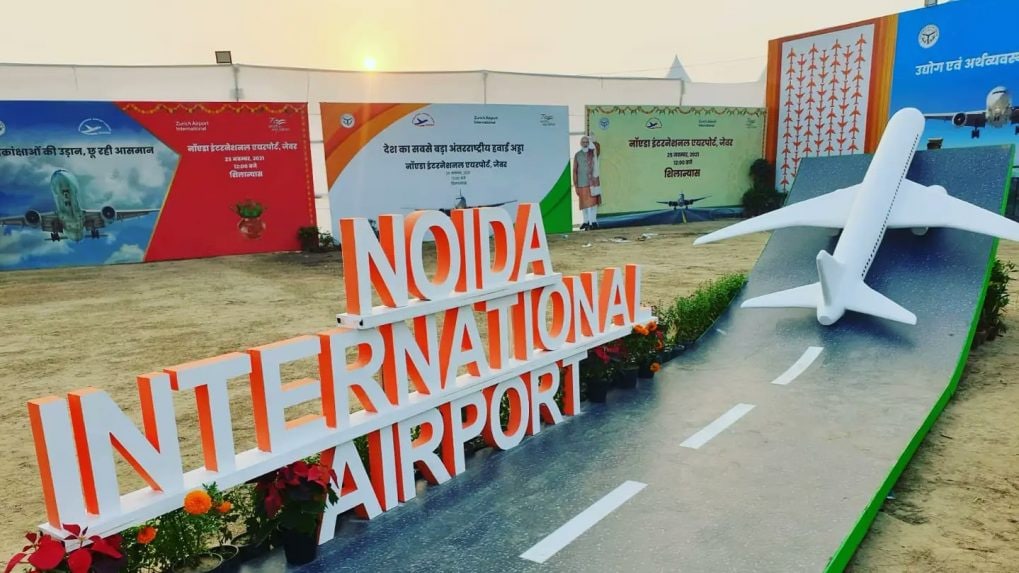
Significant delays at the much awaited Noida International Airport are not only interfering with travel plans but are also becoming a financial nightmare for Tata Projects, the company in charge of building it. According to Kevin Fleck, CFO of Zurich Airport, the delay is costing the airport a substantial Rs 3 crore a month, which Tata Projects might have to pay. Although some airport components are complete, crucial infrastructure, like the terminal, still has to be completed, which will delay the final regulatory permissions required to start operations.

Tata Projects to construct Noida International Airport at Jewar - CNBC TV18

Credits: CNBC TV18

Several questions are raised by this unexpected setback: Why is there a delay? When is the airport going to be completed? What effects would this have on travelers, companies, and India’s aviation industry? Let’s examine the specifics.

Heavy Fines and Financial Implications

Kevin Fleck revealed during a post-earnings call that Zurich Airport is facing fines of about 10,000 Swiss francs (about Rs 9 lakh) every day. This adds up to an incredible Rs 3 crore in penalties over a month. Zurich Airport has the contractual authority to charge Tata Projects these fines, but this puts tremendous pressure on the construction company to expedite the project or risk losing millions of dollars before the airport even opens.

These fines pose a risk to Tata Projects’ reputation in addition to being a financial hardship. The firm, which is renowned for managing major infrastructure projects, will have to move quickly to prevent more issues and guarantee that the airport satisfies all safety and regulatory requirements on schedule.

What’s Done, What’s Pending?

The passenger terminal, a crucial component of the airport, is currently undergoing interior finishing, even though the runway and control tower are purportedly finished. Due to this obstacle, the airport is unable to obtain an aerodrome license, which is an essential accreditation that guarantees operational preparedness and safety and is granted by the Directorate General of Civil Aviation (DGCA).

The aerodrome license is anticipated to be granted by the DGCA in May 2025, provided that all outstanding work is finished on schedule. However, there is doubt that this deadline will be fulfilled because of how slowly construction is progressing.

Regulatory Hurdles and Clearances

Airports cannot function without multiple layers of regulatory approvals, the most critical being the Aerodrome Information Publication (AIP). This document serves as a comprehensive guide for pilots and aircrew, detailing all the regulations, navigation procedures, and operational guidelines required for flights at the airport.

Currently, the airport operator is collaborating with regulators to finalize these approvals. However, until the terminal interiors and security infrastructure are fully in place, the DGCA cannot grant the necessary clearances, leaving the airport in a state of limbo.

When Will Flights Finally Take Off?

The biggest concern for travelers and aviation stakeholders is: When will the Noida International Airport finally become operational?

An official spokesperson for Noida International Airport stated that the airport will start with domestic flights and then expand to international flights in the upcoming months. The June quarter of 2025 is now anticipated to have a soft launch, though it will be gradual rather than abrupt. At first, freight operations will take precedence, and passenger services won’t start until the terminal’s interior renovations are finished.

Given the project’s size and the current delays, additional postponements could occur if things do not proceed as planned.

Government Scrutiny and Intervention

Because he recognizes the importance of the project, Uttar Pradesh Chief Minister Yogi Adityanath has taken a personal interest in seeing it through to completion. He recently conducted a thorough evaluation of the airport’s growth with officials from the aviation ministry and the DGCA.

The state administration is also in talks with central authorities to expedite regulatory clearances and ensure a smooth transition into operational status. However, if construction delays persist, there may be political and economic ramifications because the airport is an essential piece of infrastructure for North India’s connectivity and economic growth.


<div class=

The Directorate General of Civil Aviation, led by Faiz Ahmed Kidwai, reviewed Jewar Airport’s construction delays, noting unfinished terminal work that may limit Noida International Airport to cargo operations initially. (Photo source: Sesa Sen/NDTV Profit)

” width=”606″ height=”341″/>

Credits: NDTV Profit

The Bigger Picture: Why This Delay Matters

For India’s aviation sector, the Noida International Airport is a game-changer, not simply another airport. When it opens, it will have the greatest area of any airport in India and is anticipated to greatly reduce traffic at Delhi’s Indira Gandhi International Airport (IGI).

Additionally, the airport is intended to serve as a significant cargo center, boosting India’s supply chain infrastructure and enabling quicker transportation for companies. Ongoing delays, however, may lead to lost income, missed business chances, and irate travelers and airlines.

Apple Scores Win in Indian Antitrust Battle, Blocks Match and ADIF from Sensitive Data Access

March 13, 2025March 13, 2025 Olivia Craig

In connection with an antitrust investigation in India, Apple has effectively prevented Match Group, the owner of Tinder, and a number of Indian startups from gaining access to commercially sensitive data. This development coincides with the Competition Commission of India’s (CCI) ongoing inquiry into Apple’s purported anti-competitive behavior. Despite the conclusion of the investigation, the senior members of the CCI have not yet rendered a decision that could lead to penalties or modifications to the internet giant’s policies.

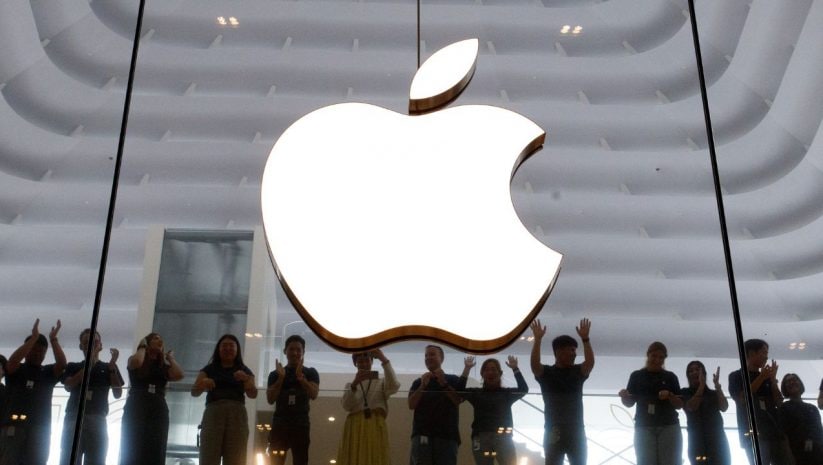
Illustration shows Apple logo

Credits: Reuters

Background of the Case

A little-known non-profit organization called Together We Fight Society filed the lawsuit against Apple, claiming that the company’s in-app fee structure, which charges up to 30% on transactions, hampered competition and raised costs for both app developers and users. In response to the allegation, the CCI began a thorough inquiry into Apple’s business operations to see whether the corporation had misused its position of dominance in the iOS app market.

Apple maintains that it is still a minor player in India, where Google’s Android dominates the market, and has continuously denied any wrongdoing. As of 2024, only around 4% of India’s 712 million cellphones run on iOS, with Android controlling the majority, according to Counterpoint Research. However, during the last five years, Apple’s smartphone base has increased fivefold, indicating a huge increase in its footprint in India.

Match and ADIF’s Demand for Transparency

Match Group and the Alliance of Digital India Foundation (ADIF), a consortium of Indian startups, sought access to specific confidential information from the investigation report. They argued that Apple’s excessive redactions limited their ability to scrutinize its practices effectively. Match has previously accused Apple of similar tactics in global antitrust cases, claiming that the company uses redactions to hinder accountability.

Despite these arguments, the CCI ruled in Apple’s favor on March 3, stating that the disclosure of sensitive financial data—including developer payouts and billing details—was neither necessary nor beneficial at this stage of the proceedings. The order further emphasized that revealing such data could harm Apple’s competitive standing, particularly given Match’s involvement in similar cases worldwide.

Why This Ruling Matters

Apple’s attempt to defend its business model in India depends on the CCI’s ruling. Apple might have come under more scrutiny if it had been compelled to divulge its private information, not only in India but also in other countries where it is facing comparable accusations.

This decision is a blow to Match and ADIF’s attempts to make Apple’s app store policies more transparent. Their main contention is that, like Google’s in-app pricing scheme, which the CCI earlier rejected in 2022, Apple’s commission structure unjustly restricts competition. In that instance, Match and ADIF probably believed that Google’s $113 million punishment and decision to permit third-party charging systems would establish a precedent for Apple’s case.

Potential Implications for Apple and the Indian Tech Ecosystem

While Apple has successfully defended its confidentiality for now, the larger battle is far from over. The CCI’s senior members are expected to deliver a final ruling in the coming weeks, which could result in penalties or policy changes for Apple’s App Store operations in India.

Apple may have to amend its in-app payment regulations, possibly permitting other payment methods and lowering commissions, if the CCI decides against the business in the end. These adjustments might have an impact on the entire app store ecosystem worldwide. On the other side, if Apple is unharmed, it will be better able to defend itself against similar cases around the world and maintain control over the income model of its platform.

Indian regulator rejects Apple request to put antitrust report on hold -  CNBC TV18

Credits: CNBC TV 18

This issue is important for Indian entrepreneurs because it represents the larger fight against the dominance of large tech companies in online marketplaces. High commission rates, according to many app developers, stifle creativity and hinder their ability to expand. Startups may find it more challenging to advocate for regulatory actions in the future if the court rules in favor of Apple.

What’s Next?

All eyes are on India as the CCI approaches its final ruling to see if it would join European and other authorities who have taken a firm stand against Apple’s App Store policy. Whatever the verdict, this case highlights the increased regulatory scrutiny of large IT companies in India, a quickly rising digital economy.

In one of the biggest and fastest-growing digital marketplaces in the world, Apple’s legal spat with Indian regulators may establish a significant precedent for how multinational tech companies conduct their business. The verdict will have long-term effects for developers, customers, and regulatory agencies alike, regardless of whether Apple is compelled to alter its practices or is able to preserve the status quo.

LAT Aerospace: Can Zomato’s Former COO and CEO Revolutionize Regional Air Travel?

March 12, 2025March 12, 2025 Olivia Craig

From delivering food to launching an aerospace startup—Surobhi Das and Deepinder Goyal’s new venture, LAT Aerospace, is making waves in the aviation industry. With a vision to develop low-cost Short Takeoff and Landing (STOL) aircraft, this startup aims to transform regional air connectivity in India. But can a team with roots in food-tech truly disrupt aviation?

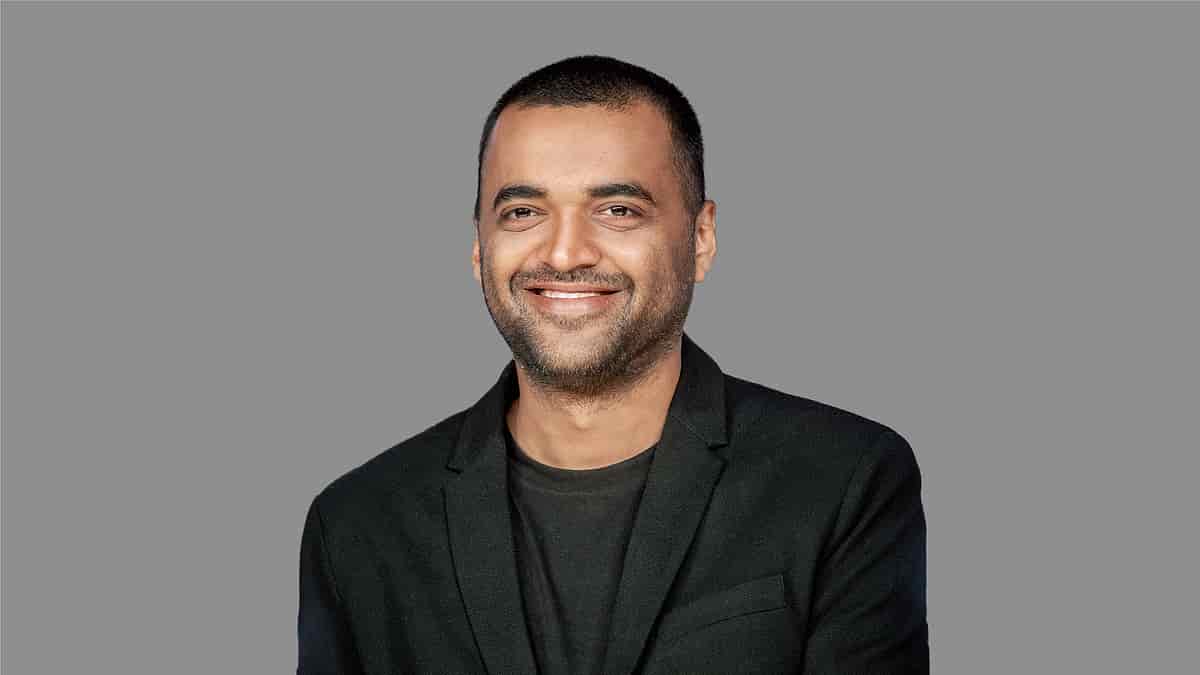
Deepinder Goyal to invest in aircraft startup launched by ex-Zomato COO |  Fortune India

Credits: Fortune India

Let’s dive into LAT Aerospace’s vision, its potential impact, and how STOL aircraft could reshape the future of regional air travel.

The Minds Behind LAT Aerospace

Former Zomato Chief Operating Officer (COO) Surobhi Das has assumed leadership of LAT Aerospace’s daily operations. Zomato CEO Deepinder Goyal, who has contributed a million dollars to the project and will be a non-executive co-founder, is supporting her.

Despite their seemingly unrelated experience in food delivery, LAT Aerospace may have an advantage because to their history of growing companies, streamlining logistics, and utilizing technology. Still operating in stealth mode, the business is actively seeking expertise in the fields of material sciences, hybrid propulsion, and aerodynamics while also raising more seed money.

What Are STOL Aircraft?

STOL aircraft are not your typical air taxis. They are small planes that require significantly shorter runway lengths, allowing them to take off and land in spaces as compact as a parking lot.

Key Features of STOL Aircraft:

Short Runway Operations – Can take off and land on airstrips as short as a few hundred meters.
Low Infrastructure Requirement – Operates from small air-stops instead of large airports.
Fuel-Efficient & Cost-Effective – Designed to be lightweight and economical, reducing operating costs.
By eliminating the need for expensive airport infrastructure, STOL aircraft have the potential to make air travel more accessible and affordable in smaller cities and remote regions.

How LAT Aerospace Plans to Disrupt Regional Air Travel

India’s regional connectivity has long been a challenge. Many towns lack proper rail and road networks, leaving air travel as an expensive and underutilized option. LAT Aerospace’s goal is to bridge this gap by offering small, fuel-efficient aircraft that can serve underserved locations.

Potential Benefits of LAT Aerospace’s STOL Aircraft:

  • Enhanced Connectivity – Small towns and remote areas will gain direct air access without major infrastructure investments.
  • Lower Travel Costs – Shorter runway operations and fuel-efficient aircraft could reduce ticket prices.
    Boost to Local Economies – Faster and more affordable travel could improve trade, tourism, and business opportunities.

If successful, LAT Aerospace could set new standards in regional aviation by making air travel an everyday reality for millions of people.

Challenges and Competitors in the Market

While LAT Aerospace’s concept is promising, the aerospace industry is highly complex and capital-intensive. Building a viable STOL aircraft requires extensive research, regulatory approvals, and significant funding.

Additionally, companies like Textron Aviation and Viking Air have already developed STOL aircraft for various applications. LAT Aerospace will need to differentiate itself by focusing on affordability, efficiency, and adaptability to India’s aviation landscape.

The Future of LAT Aerospace: What Lies Ahead?

Despite being in its infancy, LAT Aerospace has big intentions. To speed up development, the firm is actively seeking investors and hiring top developers.

They might usher in a new era of regional air transport in India if they are able to successfully prototype and deploy a working STOL aircraft. Like they did at Zomato, their strategy of utilizing technology and operational effectiveness may be the secret to success.

From Food to Flight: Why Zomato Founder is Betting Big on Aviation?

Credits: TICE News

Final Thoughts: From Food to Flight—Will LAT Aerospace Take Off?

Although the move from food delivery to aerospace would seem like a huge leap, Das and Goyal’s history of creating scalable companies suggests that this is not the case. By making regional flights as easy as calling a cab, LAT Aerospace has the potential to democratize air travel in India.

It will be interesting to watch if this audacious endeavor really takes off and transforms Indian aviation as the business develops.

Would you reserve a seat on a STOL plane? Tell us what you think!

ixigo Rolls Out 1.2 Cr Stock Options Under ESOS 2025 to Reward Employees

March 12, 2025March 12, 2025 Olivia Craig

Ixigo, an online travel aggregator, has introduced a new Employee Stock Option Scheme (ESOS) for 2025, giving its staff members 1.2 crore (12 million) in stock options. This program is a calculated attempt to draw in and keep top talent while encouraging a long-term commitment and ownership culture among staff members.

Ixigo profit more than doubled in FY24 at Rs 73 crore, income up 28%

Credits: MoneyControl

In a significant move, the board of Ixigo has also authorized giving co-founders Aloke Bajpai and Rajnish Kumar stock options worth at least 1% of the company’s issued capital as part of the ESOS 2025 strategy. This demonstrates the company’s intention to maintain leadership stability while coordinating the interests of important stakeholders with the expansion of the firm as a whole.

Breaking Down the ESOS 2025 Plan

Total Stock Options: The ESOS 2025 features a pool size of 1.2 crore (12 million) stock options. Upon vesting and exercise, these options will convert into an equivalent number of equity shares, maintaining consistency with ixigo’s existing stock structure.

Pricing Formula: Each option under ESOS 2025 is priced at INR 93, aligning with the issue price during ixigo’s Initial Public Offering (IPO).

Through this initiative, ixigo aims to incentivize employees by offering them a stake in the company’s success, thereby driving motivation and performance.

A History of Employee-Focused ESOP Allocations

ixigo has consistently demonstrated a strong commitment to rewarding its employees through stock options. Over the past year, the company has made multiple ESOP allocations:

January 2025: 10.58 lakh equity shares were allotted to eligible employees under various ESOP schemes.

December 2024: More than 4.6 lakh equity shares were granted to employees under multiple ESOS plans.

November 2024: ixigo expanded its ESOP pool by granting 17.57 lakh stock options under ESOP 2024.

These continuous efforts highlight the company’s strategy to retain and incentivize top talent in the fiercely competitive travel-tech industry.

ixigo’s Growth Story: From Startup to Publicly Listed Travel Giant

Ixigo, which was founded in 2007 by Aloke Bajpai and Rajnish Kumar, has grown to become one of the top travel websites in India. The company, which has its headquarters in Gurugram, Haryana, offers real-time travel information, pricing comparisons, and hotel, rail, bus, and aircraft booking services.

Ixigo has broadened its product offerings through technology-driven improvements and smart acquisitions while maintaining a customer-centric mindset. The company entered a new period of growth and stability in June 2024 when it went public, listing on the Bombay Stock Exchange (BSE) and National Stock Exchange (NSE).

Financial Performance: Revenue Surge but Profitability Concerns

ixigo’s latest financial report for Q3 FY25 presents an interesting mix of strong revenue growth and declining profitability:

Revenue Growth: The company posted a revenue of INR 242 crore, a remarkable 41.5% year-on-year increase from INR 171 crore in Q3 FY24.

Profit Decline: Despite the revenue surge, net profit dropped by 49.3% to INR 15.5 crore in Q3 FY25 from INR 30.6 crore in the same period last year.

The decline in profitability suggests increased operational costs, investments in expansion, or market competition pressures. However, ixigo’s aggressive investment in talent and technology may be a long-term play to strengthen its market position.

What This Means for ixigo and the Travel-Tech Industry

Ixigo is making it very evident that it values and considers its employees to be essential to its success by putting ESOS 2025 into practice. Stock-based incentives offer a potent retention tool in a sector where it can be difficult to retain employees, particularly for tech-driven travel platforms.

The business is also well-positioned versus rivals like MakeMyTrip and EaseMyTrip because to its growth and ongoing investments in AI, machine learning, and data science-led technologies.

ixigo IPO allotment finalisation today; how to verify allotment?

Credits: Money Control

Final Thoughts: A Win-Win Strategy for Employees and ixigo

More than merely an employee reward, ixigo’s ESOS 2025 demonstrates the company’s dedication to shared success and sustainable growth. Although the decline in net profit raises concerns about short-term profitability, the overall plan points to a long-term goal that will benefit investors, staff, and leadership.

It will be interesting to observe how this change affects Ixigo’s staff, innovation pipeline, and financial trajectory in the upcoming years as it continues to navigate the changing travel sector.

Zomato Shareholders Approve Name Change of Corporate Entity to Eternal

March 11, 2025March 11, 2025 Olivia Craig

After receiving shareholder approval, Zomato Ltd. formally changed its corporate entity name to Eternal Ltd. in a calculated rebranding maneuver. The company made the news in a stock exchange filing, explaining that the Zomato app and brand will not change even while the corporate identity would.

According to the company’s communications on February 6 and 7, this decision was approved by a postal poll. It also includes changes to the company’s Memorandum of Association (MoA) and Articles of Association (AoA) to reflect the new name.

Credits: Mint

What’s in a Name? The Logic Behind ‘Eternal Ltd.’

The name “Eternal” is intriguing and suggests a vision beyond just food delivery. While Zomato has already diversified into various verticals—including quick commerce (Blinkit), restaurant supplies (Hyperpure), and dining-out experiences (Zomato Gold)—the renaming could indicate a broader strategy.

There are several potential reasons behind this decision:

Moving Beyond Food-Tech: Zomato may be preparing to move beyond restaurant and food delivery services and into cutting-edge industries like fintech, logistics, AI-powered consumer services, or international markets.

Establishing a Holding Company Structure: A lot of tech behemoths reorganize their corporate arms to function under a parent company while maintaining their sub-brands. This could imply that Hyperpure, Blinkit, and Zomato will operate as separate companies under the auspices of Eternal Ltd.

Signaling a Long-Term Vision – The word “Eternal” suggests sustainability, longevity, and innovation, hinting at the company’s ambition to build a business model that lasts beyond short-term trends.

Shareholder Approval and Legal Implications

The name change isn’t just a superficial rebranding—it comes with legal implications. Shareholders have also approved the necessary alterations to Zomato’s MoA and AoA, which means:

The foundational legal documents of the company will reflect Eternal Ltd. as its official corporate identity.

Any future financial transactions, partnerships, and regulatory filings will now be made under the new entity name.

The change positions the company for potential mergers, acquisitions, or new business verticals under the Eternal brand.

What This Means for Zomato’s Customers and Investors

For everyday users of the Zomato app, nothing changes. The food delivery experience, branding, and services will continue as they are. However, for investors and industry watchers, this shift signals an evolution in the company’s trajectory.

For Customers:

  • No impact on the app, services, or user experience.
  • Blinkit and Hyperpure will continue operations as usual.
  • Zomato Gold and other loyalty programs remain unaffected.

For Investors:

  • The restructuring may boost investor confidence by demonstrating a long-term strategic vision.
  • It opens doors for new business verticals and revenue streams.
  • It could indicate global expansion or partnerships beyond the Indian market.

Looking Ahead: What’s Next for Eternal Ltd.?

While the company has not explicitly detailed the reasons for this rebranding, the move is reminiscent of other tech giants that have undergone similar transformations:

  • Facebook rebranded to Meta, signaling a shift towards the metaverse.
  • Google restructured under Alphabet, allowing it to expand into diverse industries like AI, cloud computing, and self-driving technology.
  • Reliance Industries diversified into digital services, retail, and e-commerce, showcasing how conglomerates evolve.

Given Zomato’s focus on technology-driven innovation, we might see Eternal Ltd. expand into AI-driven logistics, hyperlocal commerce, digital payments, or even new consumer-facing technology products.

Credits: Hindustan Times

Final Thoughts

Zomato’s corporate journey reaches a major turning point with its rebranding as Eternal Ltd. Customers may not see the immediate effects of the strategic change, but it may open the door for the business to grow and expand in the future.

For the time being, investors and industry insiders will be keenly observing how Eternal Ltd. expands on Zomato’s current advantages while breaking into new markets. There is no doubt that this food-tech behemoth is considering more than just food. There’s something bigger in the works.

Elon Musk’s Starlink Partners with Airtel to Bring Satellite Internet to India

March 11, 2025March 11, 2025 Olivia Craig

Elon Musk’s satellite internet service, Starlink, is finally scheduled to make its official debut in the Indian market after months of regulatory obstacles. One of the biggest telecom providers in India, Bharti Airtel, has established a strategic alliance with SpaceX, the parent company of Starlink. Customers will be able to buy Starlink equipment from Airtel retail locations and get high-speed satellite-based internet thanks to this partnership, especially in rural and underdeveloped areas of the nation.

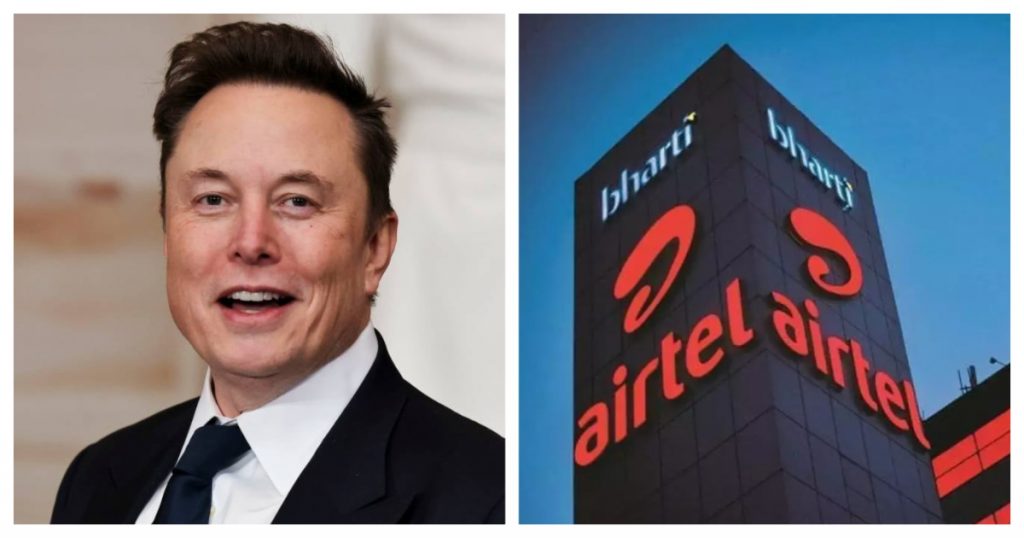
Elon Musk's SpaceX Partners With Airtel To Bring Starlink To India

Credits: Office Chai

However, since SpaceX needs government license to sell Starlink services in India, the partnership is currently pending regulatory approval. If approved, this collaboration might revolutionize internet access for millions of Indians residing in areas with limited connectivity.

What the Leaders Say

“Working with SpaceX to offer Starlink to Airtel customers in India is a significant milestone and further demonstrates our commitment to next-generation satellite connectivity,” said Gopal Vittal, Managing Director and Vice Chairman of Bharti Airtel, who expressed optimism about the cooperation.

With the words, “We are excited to work with Airtel and unlock the transformative impact Starlink can bring to the people of India,” Gwynne Shotwell, President and COO of SpaceX, reiterated this view.

Regulatory Hurdles and the Reliance Jio Challenge

Starlink’s entry into India has been anything but smooth. Regulatory roadblocks from the Telecom Regulatory Authority of India (TRAI) and pushback from leading telecom players, especially Reliance Jio, delayed its official launch. Mukesh Ambani, Chairman of Reliance Industries, strongly advocated for an auction-based spectrum allocation for satellite internet instead of direct government allocation, a stance also supported by Sunil Bharti Mittal of Airtel.

However, Union Minister for Civil Aviation and Steel, Jyotiraditya Scindia, sided with Musk, stating that India would follow the global norm of direct spectrum allocation. This decision has given Starlink a significant advantage over its competitors and cleared a major obstacle for its entry into the Indian market.

Why This Deal Is Important for Airtel and SpaceX

The alliance between Airtel and SpaceX is a calculated decision that works well for both companies. By include Starlink in its portfolio, Airtel, which already holds a share in Eutelsat OneWeb, another satellite internet provider, improves its standing in the market for space-based broadband. As a result, Airtel can assist close the digital divide by extending its internet services to the most remote areas of India.

Together, SpaceX and Airtel will have access to the latter’s extensive retail footprint and well-established ground network infrastructure. Without having to start from scratch, this will enable Starlink to expand its operations in India quickly.

Expanding India’s Satellite Internet Market

The Airtel-Starlink partnership is expected to create new opportunities in India’s satellite broadband sector. Currently, millions of people in rural and remote areas lack reliable internet access. With Starlink’s ability to provide high-speed connectivity without reliance on traditional fiber-optic infrastructure, this partnership has the potential to revolutionize digital access across the country.

Furthermore, Airtel and SpaceX have stated that they will explore ways in which Starlink can enhance Airtel’s existing network while leveraging Airtel’s capabilities to support Starlink’s expansion in India.

The Modi-Musk Factor

The agreement between Airtel and Starlink was announced soon after Elon Musk and Indian Prime Minister Narendra Modi met in Washington, where they talked about innovation, technology, mobility, and space. The timing indicates that India’s government is amenable to foreign companies like SpaceX participating in the nation’s digital infrastructure, even if it is unknown if this meeting had an impact on the relationship.

Musk's Starlink internet to make India debut with Bharti Airtel | The  Business Standard

Credits: Business Standard

The Road Ahead

The partnership between Airtel and Starlink is a significant step in expanding India’s satellite internet capabilities, even if regulatory approval is still required. If successful, it will boost India’s standing as a growing player in the global space-based broadband connection market in addition to elevating Airtel’s status in the telecom industry.

India’s rural and impoverished communities may finally have access to fast, reliable internet thanks to Starlink’s global expertise and Airtel’s local presence, launching a new era of digital inclusion.

Samsung India Workers Call Off Month-Long Strike at Chennai Plant

March 8, 2025March 8, 2025 Olivia Craig

The Samsung India Workers Union (SIWU) has formally called off its strike at the company’s production facility in Sriperumbudur, Chennai, following a month-long impasse. After reaching a deal with Samsung management that permitted their unconditional return, the employees returned to work on Friday.

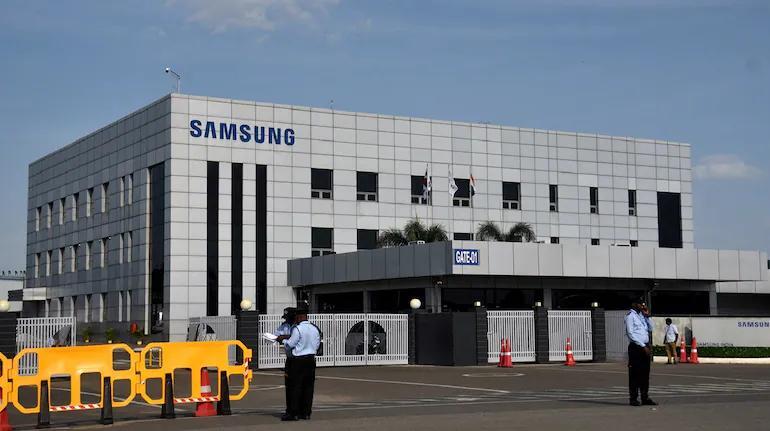
Samsung, industry, workers, SIWU, Centre of Indian Trade Unions , CITU, Samsung India Workers Union

Credits: Financial Express

A significant portion of the workers participated in the strike, which started on February 5 and was supported by the Centre of Indian Trade Unions (CITU). After protracted negotiations, the union agreed to an internal investigation in place of its initial demand that the suspensions for 23 employees be lifted.

A Long Battle of Negotiations

The strike was triggered by the suspension of three key union office bearers after they allegedly attempted to forcibly enter senior management’s office. The situation escalated when workers shifted their demonstration from a designated protest area to the shop floor, demanding an end to contract hiring. In response, Samsung suspended 20 additional workers, worsening tensions.

At least ten rounds of negotiations between SIWU and Samsung management failed before the impasse was finally broken. A day before the resolution, the union had threatened to march over 1,000 workers to the plant, pushing for a final settlement.

The Deal That Ended the Strike

Samsung and SIWU reached a compromise, wherein the company agreed to reinstate all striking workers while maintaining its stance on the suspension of 23 employees. These individuals will now face an internal disciplinary inquiry.

Samsung issued a notice outside the plant stating that the “illegal strike” had been withdrawn as of March 7. The company also announced a phased training program for returning workers starting March 8. However, the suspended workers will have to await disciplinary proceedings before resuming duties.

“The workers under Suspension Pending Enquiry shall undergo Disciplinary Action Proceedings. Workers are advised not to engage in any illegal activities in the future,” Samsung’s notice read.

SIWU President E Muthukumar confirmed the union’s acceptance of the internal probe but called the suspensions “unfair and punitive.” The union plans to file a case against the labor department while preparing for further reconciliation talks scheduled for March 12.

Samsung Welcomes Workers Back Amid Business Pressure

A Samsung India spokesperson welcomed the decision to end the strike, emphasizing the company’s commitment to enforcing discipline while resolving worker concerns.

“Samsung welcomes the workers’ decision to call off the illegal strike and resume their duties at the Chennai plant,” the spokesperson said. “We remain committed to maintaining a positive work environment and ensuring business continuity.”

The strike’s resolution comes at a crucial time for Samsung, as the company gears up to meet peak summer demand. The Sriperumbudur plant, one of Samsung’s largest manufacturing facilities in India, plays a critical role in producing TVs, air conditioners, refrigerators, washing machines, and compressors. The factory employs nearly 2,000 workers and contributes about a third of Samsung India’s annual $12 billion revenue.

What’s Next?

The issue is still difficult even though the immediate crisis has been avoided. SIWU continues to advocate for the reinstatement of the 23 suspended employees, but their future remains unknown. Furthermore, the union’s position on contract labor is still a divisive topic that can come up again in the future.

Samsung workers call off month-long strike at Chennai plant

Credits: Inshorts

Samsung is currently concentrating on maintaining production schedules and stabilizing plant operations. The business cannot afford any more interruptions as the busiest time of year draws near. But in order to avoid future disputes, this strike has brought to light underlying labor issues that might need long-term remedies.

Conclusion

An important development in labor relations at the Sriperumbudur site is the conclusion of the Samsung India Workers Union strike. Despite compromises on both sides, the conflict has highlighted persistent worker worries about fair treatment and job security. It will be crucial for preserving business continuity and industrial harmony how Samsung and SIWU handle these problems in the upcoming months.

HCL Tech Succession: Shiv Nadar Transfers 47% Stake to Roshni Nadar Malhotra

March 8, 2025March 8, 2025 Olivia Craig

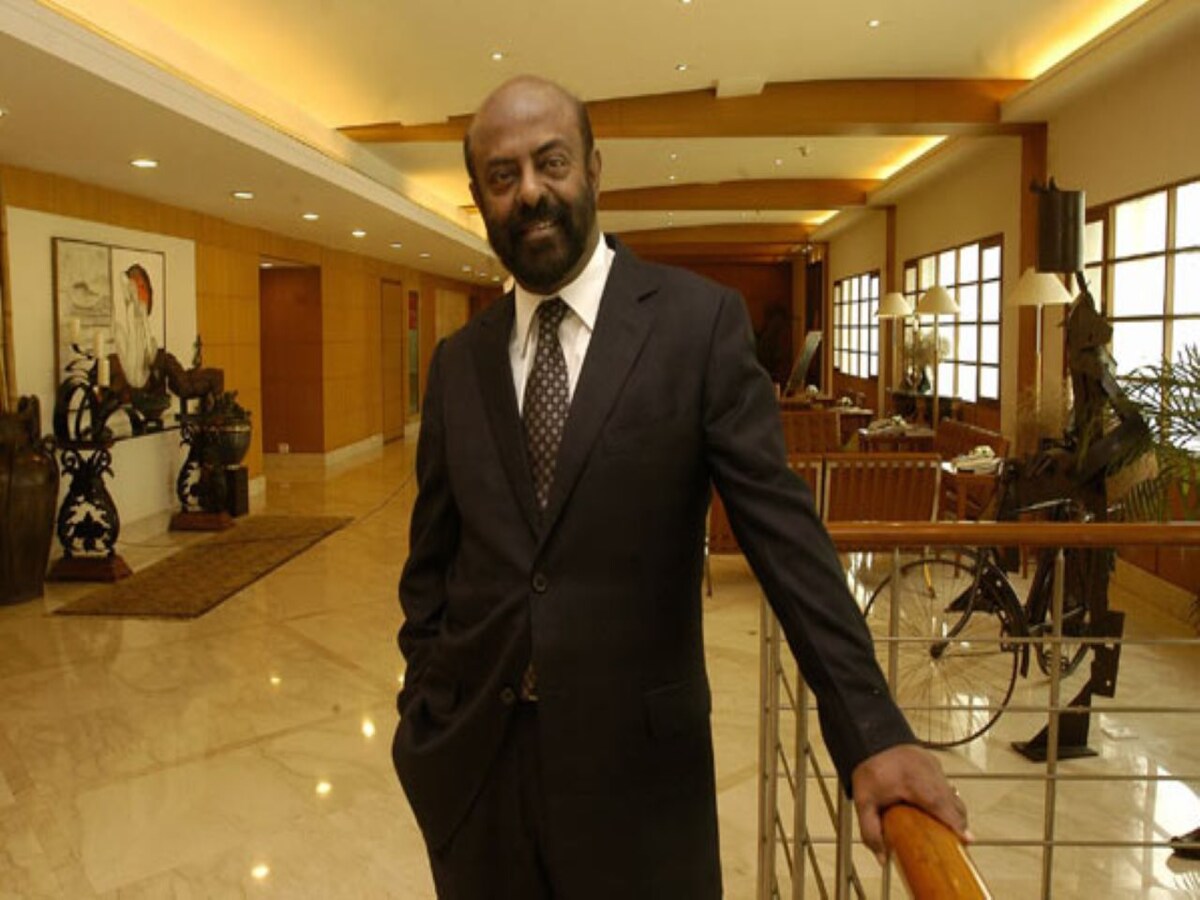
One of the biggest IT companies in India, HCL Technologies, is going through a major leadership change. In a calculated move, HCL’s visionary founder Shiv Nadar gave his daughter Roshni Nadar Malhotra a sizable stake in both HCL Corporation and Vama Sundari Investments (Delhi) Pvt Ltd (VSIPL). This change guarantees a seamless succession within the Nadar family and strengthens Roshni’s hold over the major promoter entities of HCL Technologies.

Shiv Nadar transfers 47% stake in HCL Corp and Vama Delhi to daughter Roshni Nadar Malhotra - CNBC TV18

Credits: CNBCTV 18

The Gift Deed Transfer: A Strategic Succession Plan

A March 7, 2025, regulatory statement states that Shiv Nadar has given Roshni Nadar Malhotra 47% of his shares in HCL Corp and Vama Delhi through gift deeds. Before this transfer, Roshni controlled 10.33% of both companies, while Shiv Nadar owned 51%. Roshni Nadar Malhotra is now the main shareholder in both businesses after her stake increased to 57.33% as a result of the new arrangement. Shiv Nadar now owns only 4% of the company.

As a result, Roshni Nadar Malhotra now has complete control over the voting rights of HCL Corp and Vama Delhi, who together own 44.34% of HCL Technologies.

Ensuring Stability and Continuity

The action is a component of a carefully thought-out family succession plan designed to preserve ownership continuity and give HCL Technologies long-term stability. The transfer was carried out to “streamline succession” and guarantee that the promoter family maintains strict control over the business’s activities, according to the official filing.

Given that Roshni Nadar Malhotra has been actively involved in HCL’s leadership for years, the move is viewed as a logical next step. She became the first woman to run a significant Indian IT services company when she assumed the position of Chairperson of HCL Technologies in July 2020. Since then, the company’s strategic orientation and international expansion have been greatly influenced by her leadership.

SEBI’s Exemption Clears the Path

In November 2024, the Securities and Exchange Board of India (SEBI) granted Roshni Nadar Malhotra an exemption from making an open offer for the indirect acquisition of shares and voting rights in HCL Technologies. This regulatory nod was crucial in facilitating the succession plan without any additional legal or financial complexities.

The Legacy of Shiv Nadar

It is anticipated that HCL Technologies would maintain its upward trajectory in innovation, digital transformation, and international expansion under Roshni Nadar Malhotra’s leadership. Her leadership style, which combines strategic decision-making with technological foresight, is seen by industry analysts to guarantee that HCL will continue to be a strong force in the IT services market.

Her impact can already be seen in HCL’s environmental programs, strategic investments, and emphasis on cutting-edge technologies like cybersecurity, cloud computing, and artificial intelligence.

SEBI gives go-ahead to Roshni Nadar to acquire majority shareholding | Communications Today

Credits: Communications Today

What This Means for HCL Technologies

It is anticipated that HCL Technologies would maintain its upward trajectory in innovation, digital transformation, and international expansion under Roshni Nadar Malhotra’s leadership. Her leadership style, which combines strategic decision-making with technological foresight, is seen by industry analysts to guarantee that HCL will continue to be a strong force in the IT services market.

Her impact can already be seen in HCL’s environmental programs, strategic investments, and emphasis on cutting-edge technologies like cybersecurity, cloud computing, and artificial intelligence.

Conclusion: A New Era for HCL Tech

A new era for HCL Technologies has begun with the official handover of control to Roshni Nadar Malhotra. The meticulously thought-out succession plan guarantees that the business will continue to be run by a visionary who is well-versed in its history and prospects.

All eyes will be on Roshni Nadar Malhotra as she assumes an even more significant leadership role to watch how she steers the business through the constantly changing tech landscape and keeps HCL a dominant force in the global IT industry.

Weekly Startup Funding News: Indian startups raised $386 Mn this week; from Darwinbox to Leap Finance

March 8, 2025March 8, 2025 Olivia Craig

Following several weeks of slow investment activity, Indian businesses saw a sharp increase in fundraising, with 29 deals totaling $385.5 million. Compared to the $88.3 million from 16 deals the week before, this is a fourfold increase. With a combined fundraising of nearly $340 million, the financial and enterprise tech sectors topped the charts, indicating a resurgence of investor interest in India’s startup scene.

Credits: Bizz Buzz

In this article, we will explore the latest surge in Indian startup funding, highlighting key investment trends, major deals, and what they mean for the broader ecosystem. From Physics Wallah’s massive Series B round to emerging fintech and AI players securing fresh capital, we’ll break down the numbers, analyze investor sentiment, and discuss what’s next for India’s thriving startup landscape.

Mega Rounds Fuel the Momentum

Two major funding rounds played a significant role in driving this week’s impressive numbers:

  • Darwinbox, the HR tech SaaS company, secured a staggering $140 million, reaffirming the strong demand for enterprise software solutions.
  • Leap Finance, a fintech startup focused on cross-border student loans, raised $100 million in debt financing, underscoring the growing appetite for alternative lending models.

These mega deals not only propelled the week’s funding totals but also highlighted how Indian startups are continuing to attract substantial capital despite global economic uncertainties.

Sector-Wise Breakdown: Fintech and Enterprise Tech Lead

  • Fintech and enterprise tech were the two most-funded sectors, collectively accounting for nearly 90% of the total funding:
  • Fintech: Raised $179.7 million, driven by Leap Finance’s debt raise and other smaller deals.
  • Enterprise Tech: Secured $165.6 million, largely due to Darwinbox’s blockbuster round.

Other sectors, including e-commerce, healthtech, and edtech, saw smaller yet notable funding activity, reflecting the continued diversification of India’s startup landscape.

Early-Stage Investments Gain Momentum

While late-stage funding stole the spotlight, early-stage startups also had a strong week, securing $19.1 million across 10 deals—a significant increase from the previous week. This suggests that venture capital firms are beginning to deploy capital at the seed level again, indicating renewed optimism in India’s startup pipeline.

Venture Capital Firms Launch New Funds

This funding revival was accompanied by the announcement of new venture capital funds, aiming to back the next generation of Indian startups:

  • Prime Venture Partners launched a $100 million fund to invest in early-stage startups.
  • Gravity Holdings announced a $150 million fund targeting growth-stage investments.
  • AJVC introduced a ₹100 crore fund to support emerging startups in niche markets.

With fresh capital flowing into the ecosystem, startups can expect better funding opportunities in the coming months.

IPO & M&A Activity: More Deals on the Horizon

Beyond fundraising, there were notable updates in the IPO and acquisition space:

  • NoPaperForms, an edtech SaaS company, is reportedly gearing up for an IPO, adding to the growing list of Indian startups eyeing public markets.
  • Truemeds, a healthtech platform, is in talks to raise $44 million, potentially fueling further consolidation in the sector.
  • Bhavish Aggarwal, CEO of Ola Electric, reportedly pledged shares to raise debt for Krutrim, his AI startup.

These developments highlight the dynamic nature of India’s startup ecosystem, where both public listings and strategic fundraising efforts are shaping the future.

Credits: India Today

Investor Sentiment Shows Signs of Revival

After a sluggish start to the year, the significant increase in funding this past week suggests that investor sentiment is improving. While new venture capital funds show sustained faith in India’s startup story, the fintech and enterprise IT industries remain major areas of focus.

As we move forward, it remains to be seen whether this momentum sustains. If it does, we could be looking at a strong comeback for Indian startups in 2025.

What’s Next?

With funding rounds picking up pace and IPO ambitions gaining traction, the coming weeks could bring even more excitement. Will fintech and enterprise tech continue to dominate? Will early-stage funding maintain its upward trend? Only time will tell.

Stay tuned as we track the next big moves in India’s startup ecosystem!

Posts pagination

1 2 … 7 Older posts

Recent Posts

  • Purple Style Labs Secures $40M in Series E Funding to Fuel Global Expansion
  • Ford Infuses Fresh Capital into Struggling German Unit Amid Profitability Concerns
  • How to Beat River Styx in Hades
  • Spain Imposes Heavy Fines for Unlabeled AI Content
  • How to watch Nvidia GTC 2025, including CEO Jensen Huang’s keynote

Tags

aged domains seo backorder deleting domains buy and sell domains buy domain name godaddy buying domain names domain age domain delete list domain drop date calculator domain name auction domain name register domain purchase cheap domain redemption period calculator domain registration domain whois domcop dropped domains with traffic expired domain miner expired domain names godaddy expired domains list expired domains with backlinks expired domains with pagerank expiring domains flipping expired domain names free expired domains godaddy auctions godaddy backorder godaddy canada godaddy domain manager godaddy domain renewal godaddy expired domain godaddy expired domain process godaddy grace period godaddy login godaddy premium domains godaddy redemption fee waiver google domains huge domains justdropped.com review namejet namejet backorder old domain pending delete domain list register compass whois domain whois godaddy

https://gypowdr.com/slot-online/
https://gypowdr.com/casino-online/
https://gypowdr.com/sabung-ayam-online/

Theme by Colorlib Powered by WordPress